












12th June 2024
Archaeology, the Scottish Highlands, and the Ross Clan
Award-winning, of international and national importance, and with unique and world-class archaeology the Tarbat Discovery Centre is an outstanding museum housed in an unassuming former 12th-century church at the heart of Scotland’s only national Pictish monastic monument.
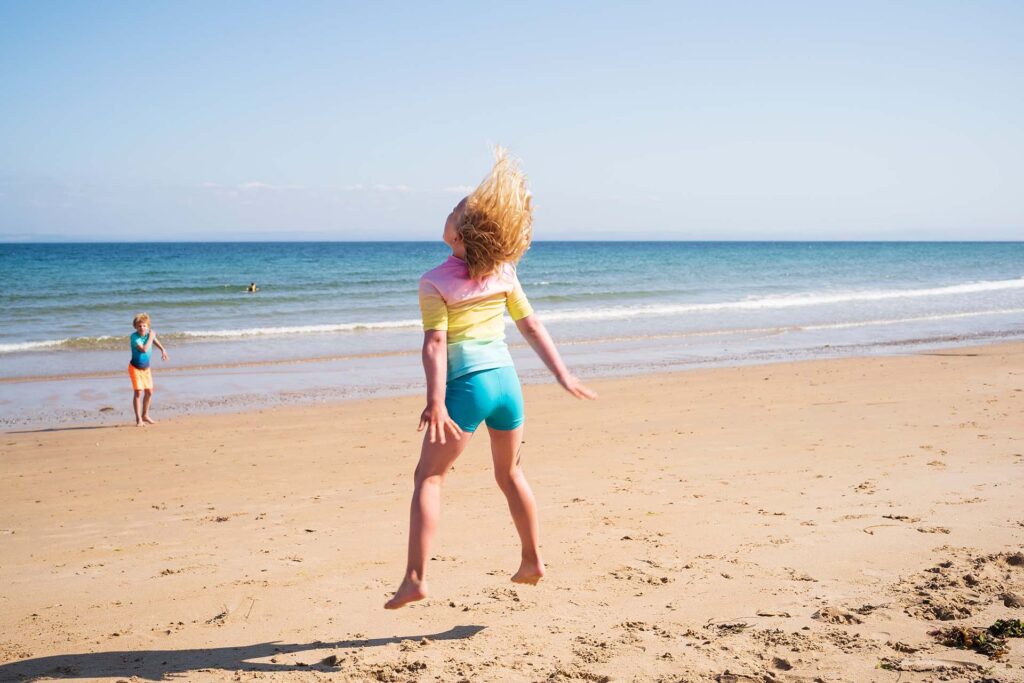
Located only twenty minutes from Balnagown Estate in the picturesque fishing village of Portmahomack, with its sandy beach, fishing harbour and awe-inspiring views across the Dornoch Firth it is well worth a visit during your stay on the estate.

The people of Portmahomack retained in their collective memory the idea that there was something ancient and significant about the local area. Residents and visitors alike consistently came upon finds and suspected artefacts. The interest grew and local amateur historians began to suspect that the rich fertile ground of the Easter Ross Peninsula might also hold a wealth of knowledge and artefacts from those who came before them. In 1994 Caroline Shepherd-Barron, Chairman of the Tarbat Historic Trust, made a casual and informal call to a friend of a friend whom she believed was an archaeologist and so the journey to the discovery of the nation’s only Pictish monastic site began.
The archaeologist concerned was Martin Carver, later author of the eminently readable book “Portmahomack: Monastery of the Picts”and an authority on the site. He kicked started the professional interest in the area and in 1989 the University of York embarked on what eventually became a twenty year campaign of archaeological research, and encompassed an area just over one and a half acres including the church that also sits on the site.


Before the excavations began at Portmahomack little was known about the Picts. No Pictish settlements, graveyards or places of worship had ever been found. There were hints in this quiet and unassuming part of Scotland, as Carver points out, in the form of the three huge, intricately carved Pictish stones. All three stones would have stood in a dominant position above the Pictish landscape and would have been visible from the sea. Two of the three stones are still to be found at home on the peninsula; one original still standing, the second lying in repose at Nigg church, whilst the third can be found in the National Museum of Scotland, Edinburgh. A superb replica, by the artist Barry Grove, holds the fort in its place.
What the excavations revealed allows those of the modern era for the first time to enter the Pictish world, but this wasn’t just any site. This was an elite centre, and the information and insight that this project has brought us is both fascinating and extraordinary.


St Colman’s Church and the Rosses
The project also included an investigation into the 12th-century church that sits on the site. The current church, St Colman’s also known as the White Church, served local congregations up until 1946. Built on the former monastic site the church has evolved since its first iteration as a small square entity built sometime it is thought in the 8th century. The church seen today is mainly 12th century with the infamous underground crypt, a later addition along with several others. The steep stepped crypt with its barrel-vaulted ceiling is believed to have been built in the Middle Ages and to have held the relics of St Colman of Lindisfarne.
The nine principle phases of development saw much of the history of the Highlands and Scotland play out before it. Inevitably it also bore witness to a great local sadness, a result of inter-clan politics and rivalry between the Mackays and the Rosses. The latter half of the 15th century saw a scramble for land and resources between the two clans. On one occasion this resulted in the Battle of Tarbat when the Rosses discovered a Mackay raiding party. Most of the Mackays involved were killed during the fighting, but the survivors made their way to the church to claim sanctuary. The response of the Rosses was to set fire to the church.


The Tarbat Discovery Centre
Full to the brim of history; with stone carvings, tools used by the monks to create sacred gold and silverware, and vellum production, a 14th-century crypt and a ‘six-headed burial’ the Tarbat Discovery Centre is highly recommended. If you plan to venture out only once during your stay on Balnagown Estate let it be to the quiet, unassuming little church at the tip of the Easter Ross peninsula.
The Tarbat Discovery Centre from Balnagown Estate is roughly twenty minutes from the estate gates. Head north on the A9 and at the first roundabout take the third exit. Follow signs for Portmahomack.

