









25th November 2022
What is an ‘Estate’?
Many of our international guests have asked us what an ‘estate’ is? Is it a ranch or a resort?
The word ‘estate ‘derives from the Latin ‘stare’ which means to stand. From ‘stare’ we also get the word status. From this derivation three distinct but related meanings of the word estate have come about in British society.
Estate can mean the remainder of an individual’s possessions both in terms of land and other assets after their death, or it can refer to a large body of land possessed by a single person. It has also come to mean a group of housing and other buildings built together as a single entity. Other terms for the latter would be housing development or housing complex.

The country estate in history
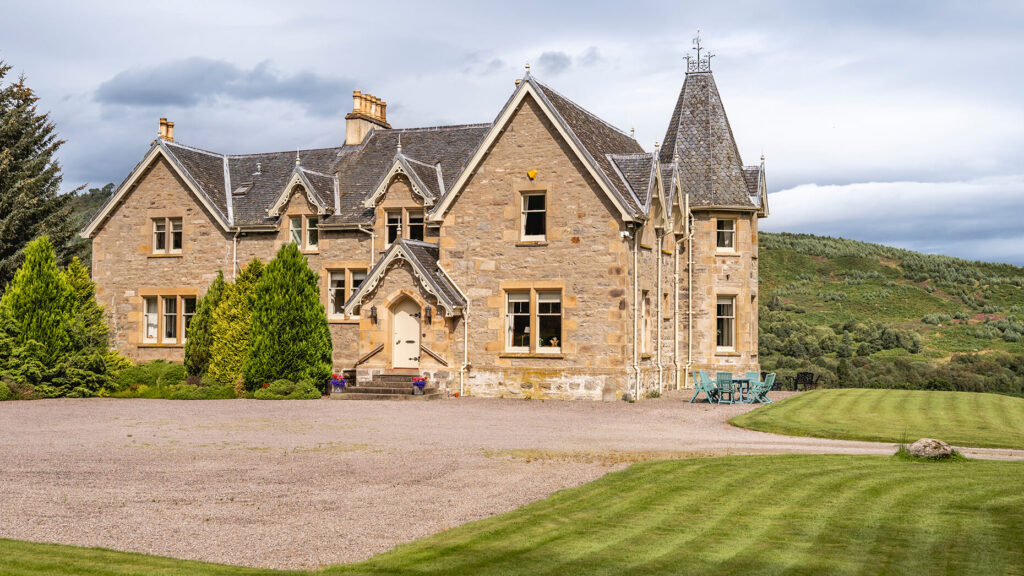
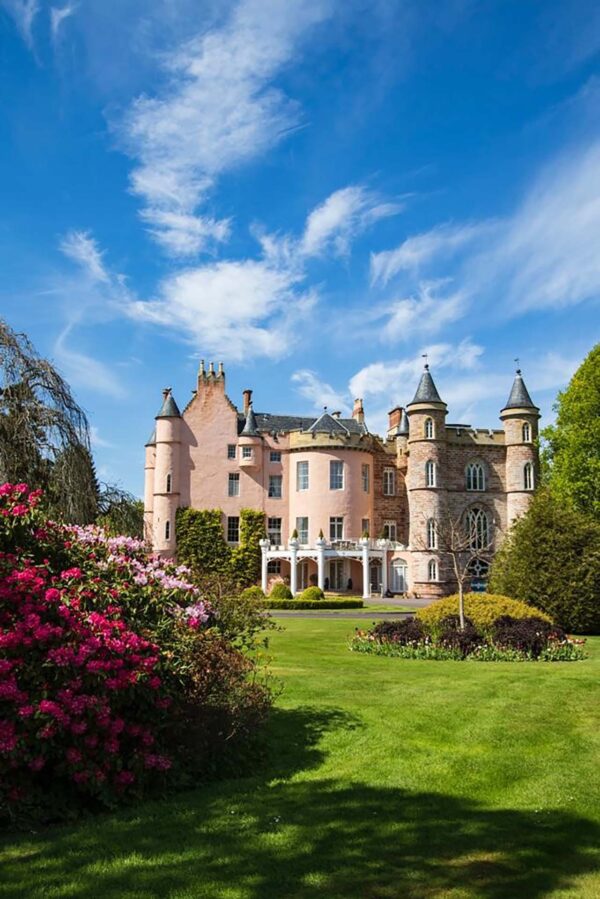
Estates such as Balnagown come from the concept of a large body of land owned by a single person. Historically that person would be or belong to a family of high status. These estates were synonymous with the word ‘country’, located as they were outside of urban environs in rural areas. Essentially a country estate was the country residence of those with status and privilege, and was usually retained by the same family down through the generations.
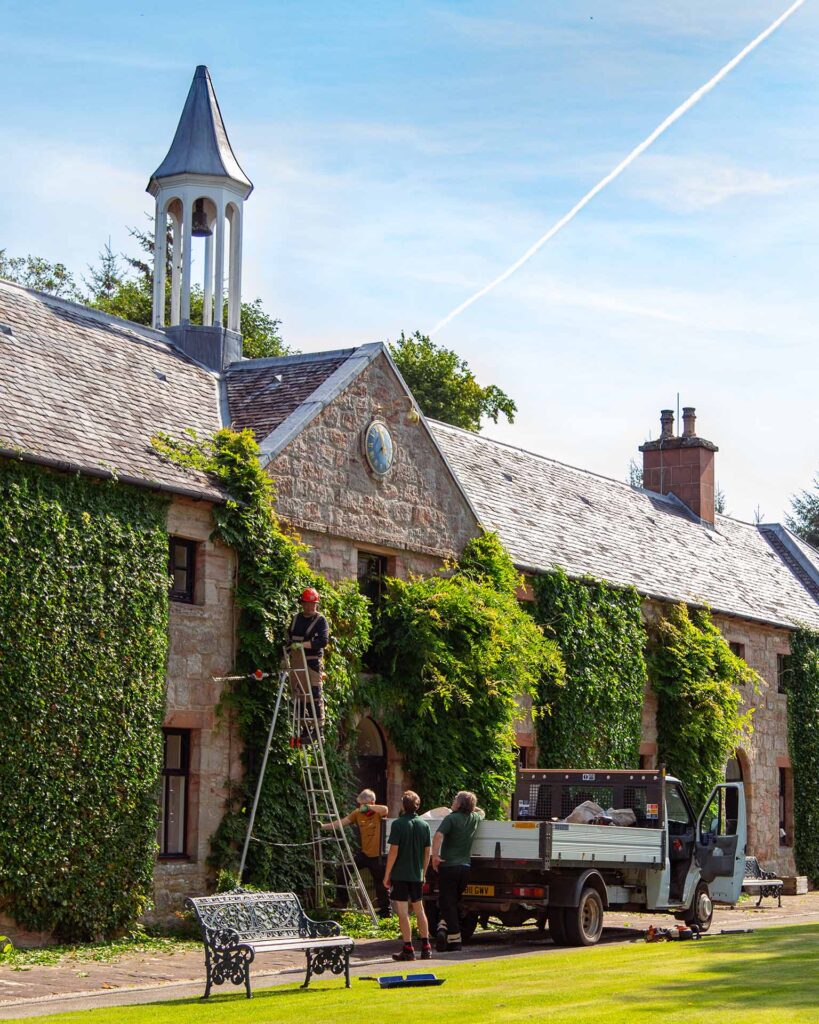
The British country estate was, however, much more than a residence. The term was understood to comprise of not just a residence but one of some note in terms of style or size, and possess over a certain acreage. A significant amount of this land would be turned over to agricultural use. It could also include a number of farms under the direct control of an estate’s farm manager (Grieve*), and a number of tenanted farms and other such properties. They might also be involved in other agricultural businesses such as forestry, hunting and the like.


The character of the estate very much depended on the geographical location of the estate.
Areas where soil and climate produced the best growing conditions tended to give themselves over to food production and grew produce. Those for whom the weather and soils were less favourable tended to focus on livestock production, and for those whose land was wild and unforgiving but home to deer and bird aplenty, these became shooting estates. That said estates were designed to be as self-sufficient as possible and so there was a degree of food production, livestock farming and hunting on each individual estate.


The country estate today
Estates have had to move with the times. A large number of estates have been lost to the country for financial reasons; death duties or the costs involved in keeping up these huge country houses. Others have been swallowed up by the growing urban centres that have required their land for development. Society too though has changed and with it the communities that once lived and worked on country estates. The result is that estates have had to become viable and independent businesses. They have had to consider other uses for their land, and in some cases, this has meant moving away from the agricultural and rural nature of their business.
Beaulieu Estate led the way, opening itself up to the public, and becoming home to the National Motor Museum. Since then, estates have become safari parks (Longleat Estate), tourism attractions, such as Rosslyn Chapel (Rosslyn Estate), and event venues such as the Knebworth Festival (Knebworth Estate), all following the passions and business acumen of their owners and estate managers (Factor*). Such diversification has allowed not only for these wonderful entities to remain intact, but it has also allowed the nation to share in them and ensured that estates continue to play a vital part in the local economies of which they are a part.


Balnagown as with many estates in this part of Scotland is a farming and forestry estate.
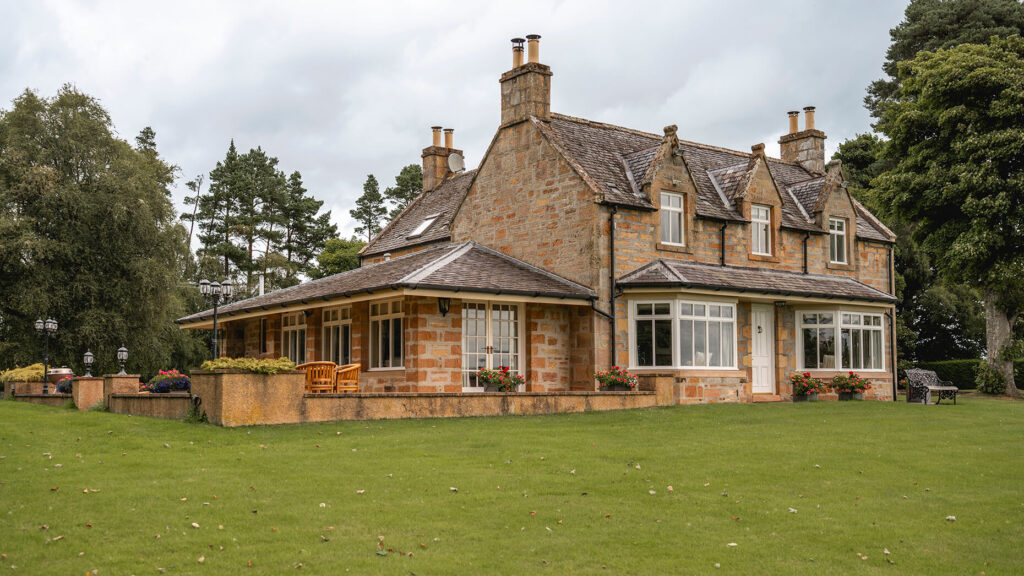
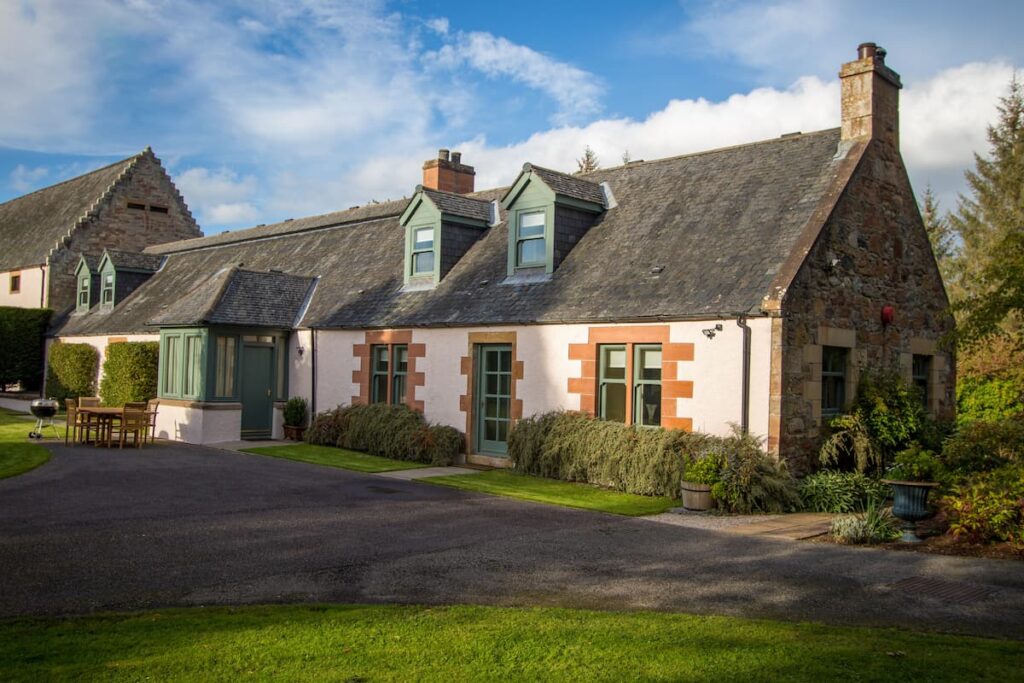
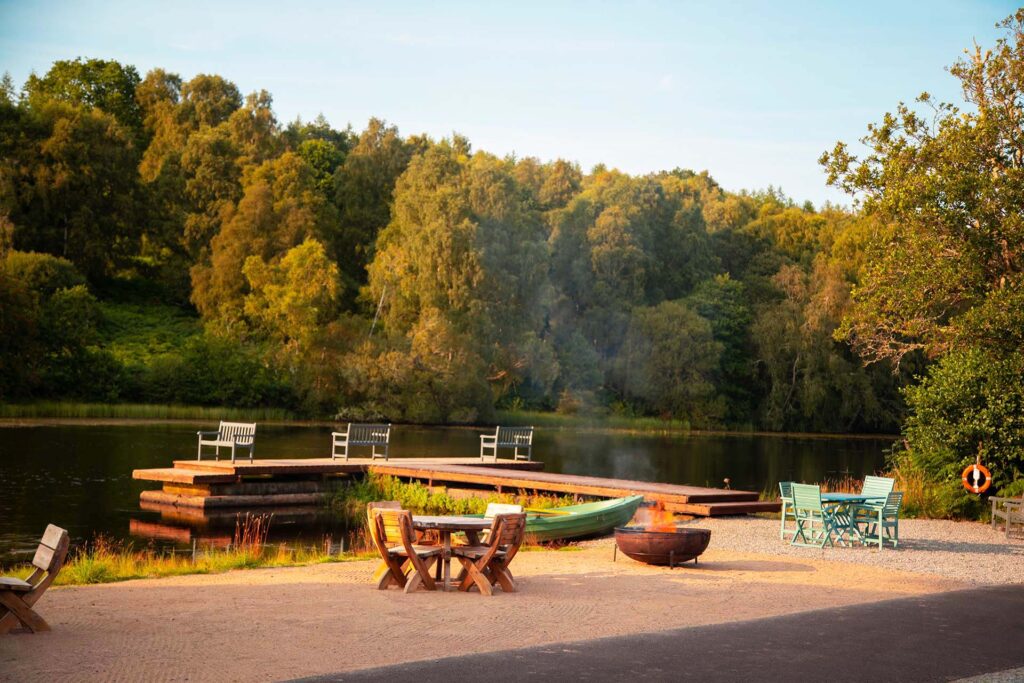
This is where it makes the majority of its income. Along with many estates up and down the country Balnagown is involved in the tourism sector too, although to a lesser degree. Balnagown has eight high-end holiday homes all apart from one of which are located on the core estate in Ross-shire whilst the largest is located in Sutherland. The tourism sector is a competitive one, and so to encourage use of the holiday homes we have developed a number of small attractions that all blend in to the natural environment, have minimal impact and are in keeping with the ethos of the estate. They range from both an indoor gym and sports hall to a waterside beach & barbeque area to name but a few. As visitors have become more discerning, we will go on to develop more areas, always keeping sustainability and protection of the environment at the forefront of any project.

Is an estate a resort or a ranch?
A ranch is a term used for a livestock farm particularly cattle in both the United States and Australia, and some estates do have some cattle farms, but they are not an estate’s sole business or raison d’etre. An estate is a much more complex and diversified beast.
How does it differ from a resort? A resort is a dedicated tourism venue and is usually based around an hotel with or without holiday cottages, perhaps dedicated to leisure, and sometimes centred around a theme such as sports. A resort may or may not own the land that it stands on and it is run for the financial benefit of its owners or shareholders. That said there are some similarities.


An estate is however much more than a resort, it is part of a larger entity and is therefore not designed solely around leisure.
The goals of an estate in turn are not only profit but continuity, longevity, sustainability, and community. They see themselves as stewards of the countryside, caretakers of the country’s history and a vital part of the local economies of which they are a part. The use and health of their land is therefore of primary importance, and so the facilities and amenities offered have to have both minimal impact and compliment both the natural and historical environment that surrounds them.
This is certainly the case on Balnagown, and the facilities and amenities that have been developed here, such as wild swimming and the outdoor gym, seek to enhance the relationship between the visitor and the natural environment. Balnagown is passionate about nature. Our properties are surrounded by the natural landscape. Fields full of livestock, wheat and barley, the working gardens are not on the periphery of our holiday properties and experience but woven in amongst them. The rich fertile lands and sympathetic climate in Ross-shire have allowed Balnagown to keep its agricultural and rural nature. So why don’t you come and join us and discover our ‘Estate Experience’.
* Please note that ‘Grieve’ and ‘Factor’ are Scottish terms.

